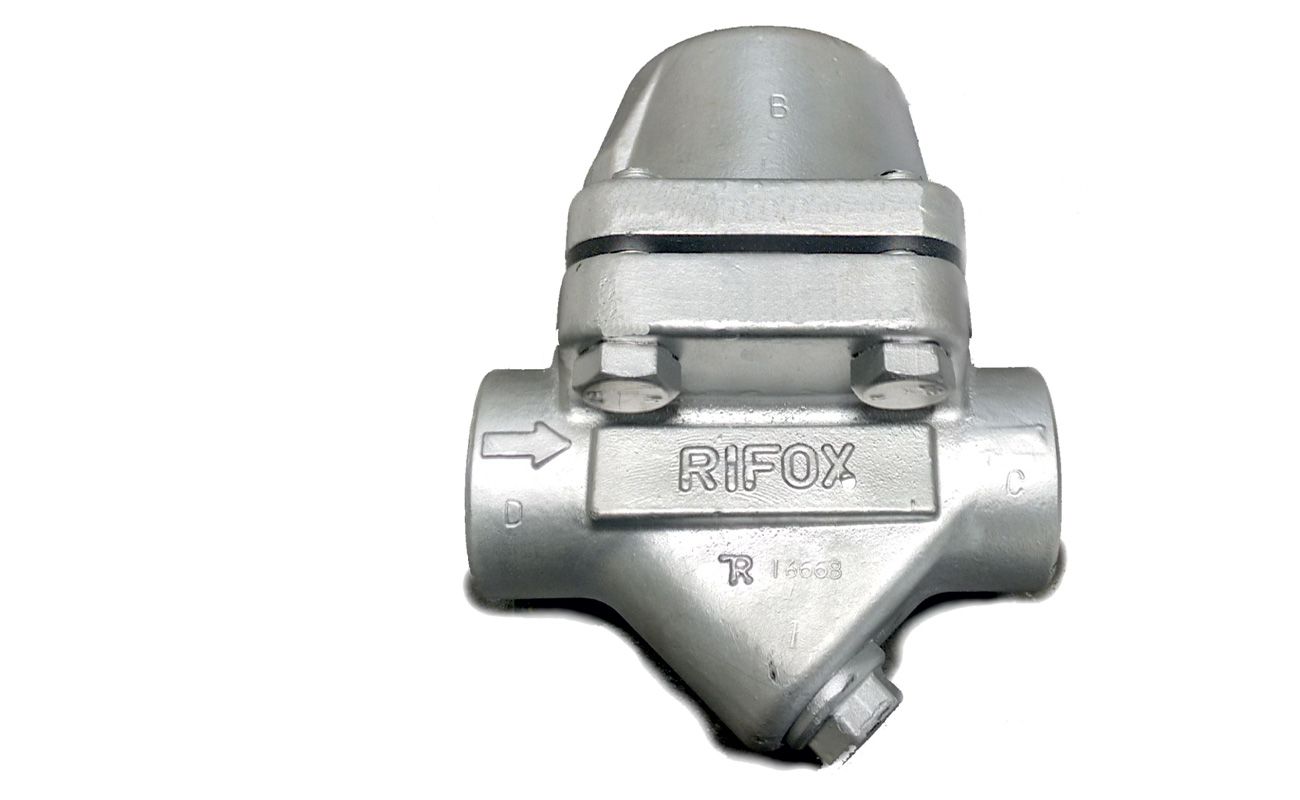
Bi-Metallic Steam Trap
Robust and versatile steam traps offering resistance to water hammer and superheat
Submit your enquiryBi-Metallic Steam Traps operate based on the deflection of bimetallic elements when exposed to temperature changes.
A bimetallic element is typically composed of two different metals bonded together, each with a different coefficient of thermal expansion. As hot condensate or steam flows through the trap, the temperature change causes the bimetallic strips to bend, opening or closing the valve. During start-up, when air and cool condensate are present, the elements remain open for efficient discharge. As steam arrives and the temperature rises, the elements deflect, closing the valve. A key advantage of bimetallic traps is their ability to withstand superheat and water hammer, making them extremely durable in demanding environments. They typically discharge condensate at a sub-cooled temperature, which can be advantageous for specific applications.
Key Industries/Applications:
- Industries: Petrochemical, chemical, oil & gas, power generation, general manufacturing, and any industry with superheated steam lines or applications prone to water hammer
- Applications: Main steam lines, steam tracing, outdoor applications (due to good freeze resistance), superheated steam applications, and long condensate lines where sub-cooling can be tolerated or is desired

Technical data
- Product capacity / performance range: Available for various condensate loads and pressure ratings, designed to discharge condensate at a controlled sub-cooled temperature, typically below saturation
- Compliance or standards: Designed and manufactured to international standards for steam traps, ensuring reliable and safe operation
- Design, flexibility or customisation:
- Operating element: Multiple bimetallic strips for precise and controlled valve actuation
- Materials: Typically, available in forged steel or stainless steel for high temperature and pressure resistance, and corrosion compatibility
- Connections: Screwed, flanged, or welded connections
- Orientation: Some designs can be installed in any position
- Adjustable sub-cooling: Some models offer an external adjustment for the discharge temperature
- Integral strainer: Often includes an integral strainer for protection against dirt
Product features