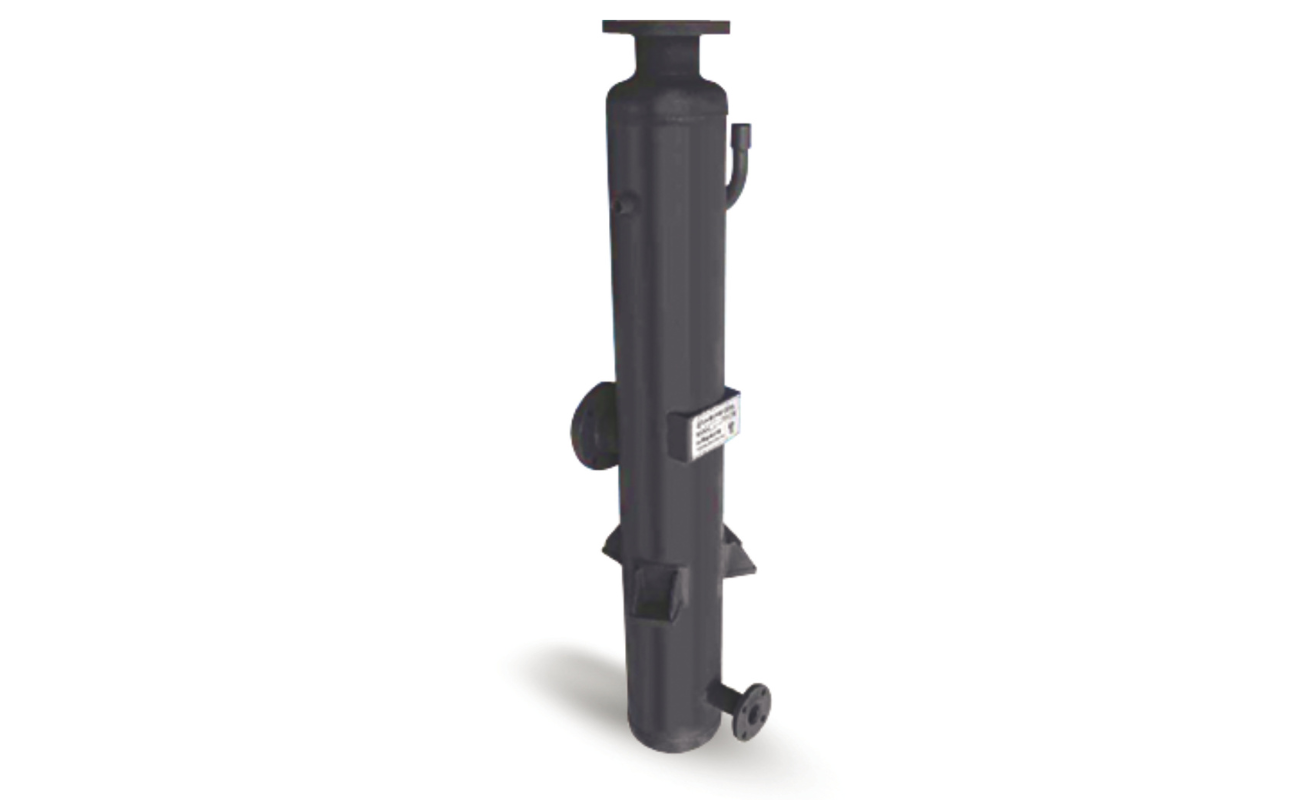
Thermax Atmospheric Flash System (TAFS)
Enables recovery of valuable low-pressure flash steam for secondary processes and optimises energy usage
Submit your enquiryThe Thermax atmospheric flash system is designed to efficiently recover the low-pressure flash steam generated when high-pressure condensate is discharged into a lower-pressure (atmospheric) receiver.
By capturing this otherwise wasted energy, it provides a valuable source of low-pressure steam for secondary heating applications, significantly reducing overall plant energy consumption and contributing to substantial fuel savings and improved system efficiency. When high-pressure condensate (e.g., from a main steam line trap or process equipment) is released into an atmospheric condensate tank, a portion of it "flashes" into low-pressure steam due to the sudden pressure drop. This flash steam, though low in pressure, still contains significant energy that is often simply vented to the atmosphere, representing a considerable waste. The Thermax atmospheric flash system captures this flash steam in a dedicated flash vessel. This recovered low-pressure steam can then be directed to other processes that require lower-grade heat, such as heating boiler feed water, drying processes, or other low-pressure applications. This system is a simple yet effective way to optimise energy utilisation within a steam network.
Key Industries / Applications:
- Industries: All industries that use high-pressure steam and have subsequent low-pressure heating demands, such as chemical, textile, food and beverage, paper, and power generation
- Applications: Recovering flash steam from high-pressure condensate lines (e.g., from main steam headers, high-pressure process equipment, or steam traps) and utilising it for boiler feed water heating, hot water tanks, air pre-heaters, or other low-pressure process loads
Technical data
- Product capacity / performance range: Designed to handle various flow rates of high-pressure condensate and generate a specific amount of low-pressure flash steam. The flash steam quantity depends on the initial condensate pressure and the flash pressure.
- Compliance or standards: Manufactured to relevant international standards for pressure vessels and steam system components, ensuring safety and reliability
- Design or customisation:
- Components: Typically includes a flash vessel (atmospheric or low-pressure), pressure gauges, safety relief valves, and a dedicated steam trap for draining the remaining unflashed condensate
- Configuration: Can be integrated into existing condensate return systems
- Materials: Usually carbon steel for the vessel, with internal components suitable for steam and condensate
- Connections: Inlet for high-pressure condensate, outlet for flash steam, and outlet for unflashed condensate
Product features